What Publishers Are Looking for in Development Partners Today
In an increasingly competitive and fast-moving gaming market, publishers are becoming more selective when choosing a Game Development Partner. Beyond technical execution, publishers now seek long-term collaborators who can deliver quality, scalability, and strategic value. As a technology-driven company operating within the global gaming ecosystem, SUNWIN INFORMATION TECHNOLOGY L.L.C closely observes how publisher expectations are evolving and what truly defines a successful development partnership today.
The Changing Role of a Game Development Partner
From Outsourcing Vendor to Strategic Partner
Traditionally, a Game Development Partner was often viewed as an outsourcing resource focused on cost efficiency and task execution. Today, publishers expect much more. Development partners are now involved earlier in the production cycle, contributing to design decisions, technical planning, and long-term roadmaps throughout the game development lifecycle.
This shift reflects a growing need for collaboration, transparency, and shared ownership of project outcomes.
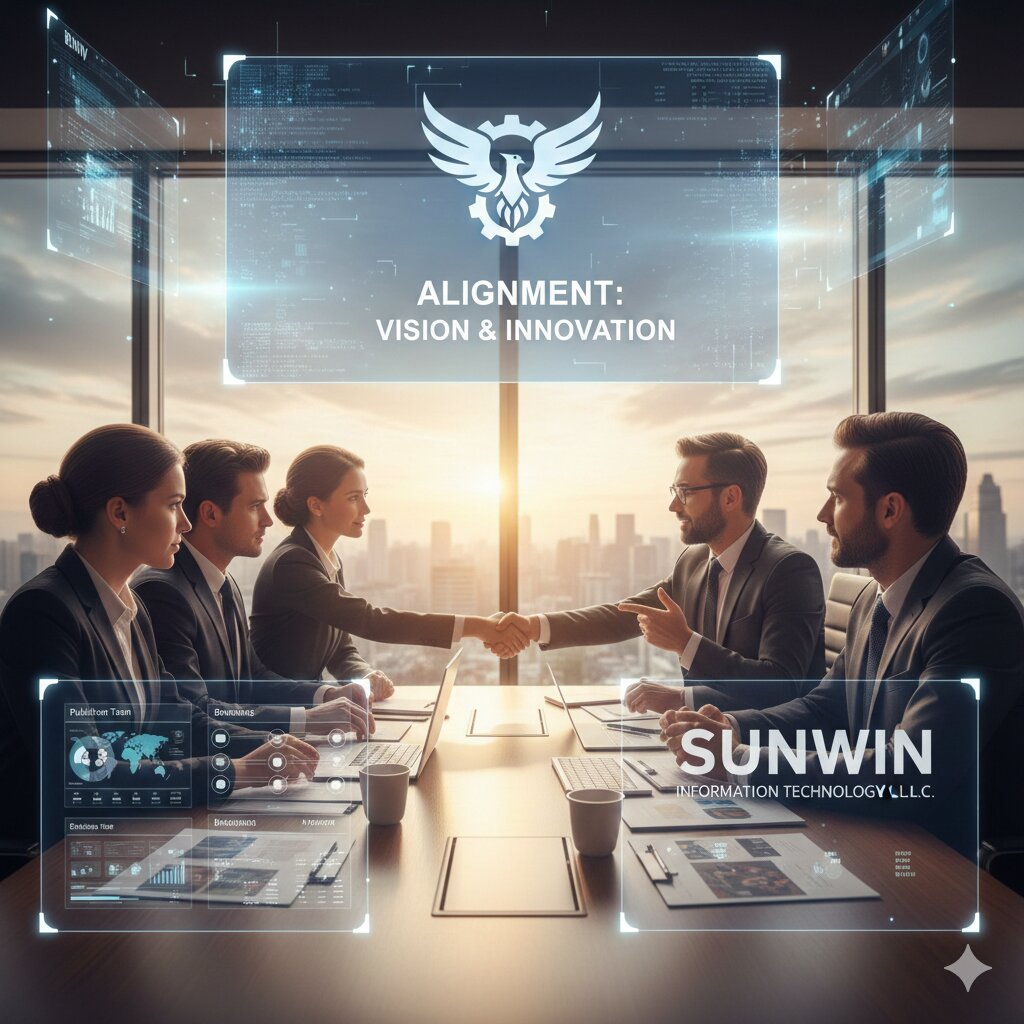
Alignment With Publisher Vision and Goals
Publishers prioritize partners who understand their brand identity, target audience, and commercial objectives. A strong Game Development Partner aligns development efforts with business goals, ensuring consistency in quality, gameplay experience, and monetization strategy.
Clear communication and cultural alignment are key factors in building trust and long-term cooperation.
Technical Expertise and Production Capabilities
Proven Experience Across Platforms
One of the first things publishers evaluate in a Game Development Partner is technical capability. Experience across multiple platforms—PC, console, and mobile—is increasingly important as cross-platform releases become the norm.
Publishers favor partners with proven portfolios, strong engine expertise, and the ability to adapt to different technical requirements without compromising performance or quality.

Scalable and Reliable Development Pipelines
Scalability is critical in modern game production. Publishers look for development partners with robust pipelines that can scale teams up or down efficiently based on project needs.
Reliable production processes, version control systems, and quality assurance frameworks reduce risks and ensure consistent delivery timelines.
Quality, Performance, and Player Experience
Focus on Quality Assurance and Optimization
A trusted Game Development Partner demonstrates a strong commitment to quality, underscoring why quality assurance matters in game development. This includes rigorous testing, performance optimization, and adherence to platform certification standards.
Publishers expect partners to proactively identify issues, optimize gameplay performance, and deliver stable builds throughout development milestones.
Understanding Player-Centric Design
Player experience is a top priority for publishers. Development partners who understand user behavior, accessibility, and engagement mechanics bring significant added value.
By incorporating player feedback, usability testing, and data-driven design, a Game Development Partner helps publishers build games that resonate with their target audience.

Collaboration, Communication, and Project Management
Transparent Communication and Agile Methodologies
Effective communication is one of the most important qualities publishers seek in a Game Development Partner. Regular updates, clear documentation, and proactive risk management are essential for smooth collaboration.
Agile development methodologies allow teams to adapt quickly, iterate efficiently, and respond to changing requirements without disrupting production.
Long-Term Collaboration Mindset
Publishers increasingly prefer partners who think beyond single projects. A long-term mindset demonstrates commitment, reliability, and a willingness to grow alongside the publisher’s portfolio.
This approach reduces onboarding time for future projects and strengthens strategic relationships over time.
Security, Compliance, and Industry Standards
Data Security and IP Protection
With growing concerns around data privacy and intellectual property, publishers carefully assess how a Game Development Partner handles security. Secure development environments, access controls, and confidentiality protocols are essential.
Protecting IP assets is non-negotiable in today’s global development landscape.
Compliance With Regulations and Platform Policies
Game development is subject to various regulations and platform-specific guidelines. Publishers expect partners to understand compliance requirements, including age ratings, data protection laws, and monetization standards.
A knowledgeable Game Development Partner helps minimize legal and operational risks.

Innovation and Future-Readiness
Adoption of Emerging Technologies
Publishers value partners who stay ahead of industry trends. Familiarity with emerging technologies such as AI, cloud services, and live operations tools enhances development efficiency and future scalability.
Innovation signals that a Game Development Partner can support long-term growth rather than short-term execution.
Continuous Improvement and Learning
The gaming industry evolves rapidly. Publishers look for partners who invest in talent development, process improvement, and technological advancement to remain competitive.
This commitment to continuous improvement strengthens partnership value over time.

Conclusion
Today’s publishers expect more than technical delivery—they seek a reliable, innovative, and strategically aligned Game Development Partner. From technical expertise and scalable pipelines to communication, security, and player-focused design, the criteria for successful partnerships continue to expand. By understanding these evolving expectations and delivering high-quality, future-ready solutions, SUNWIN INFORMATION TECHNOLOGY L.L.C positions itself as a trusted development partner supporting sustainable growth within the global gaming industry.