
Key Trends Shaping Game Development This Year
The gaming landscape is evolving rapidly, and staying updated with the latest Game Development Trends is essential for developers, studios, and technology providers worldwide. As innovation accelerates and player expectations continue to rise, companies like SUNWIN INFORMATION TECHNOLOGY L.L.C closely monitor these trends to deliver scalable, future-ready solutions for the global gaming ecosystem.
The Rise of Advanced Technologies in Game Development
Artificial Intelligence in Game Design
Artificial Intelligence (AI) has become one of the most influential Game Development Trends this year. AI is now widely used to enhance non-player characters (NPCs), create adaptive gameplay mechanics, and personalize player experiences in real time.
Beyond gameplay, AI-powered tools are also transforming development workflows by automating testing, detecting bugs, and optimizing production timelines, clearly demonstrating how technology is changing the way games are built.
Real-Time Rendering and Next-Generation Graphics
Advances in real-time rendering engines such as Unreal Engine and Unity are redefining visual standards across the industry. Technologies like ray tracing, realistic lighting, and high-resolution textures are becoming more accessible, even for independent studios.
These improvements support the growing demand for immersive and cinematic experiences, making high-quality visuals a defining factor in modern game development.
Cross-Platform and Cloud-Based Development
Cross-Platform Compatibility as an Industry Standard
One of the most impactful Game Development Trends is the shift toward cross-platform compatibility. Players now expect seamless gameplay across PC, console, and mobile devices without losing progress or performance.
To meet these expectations, developers are adopting unified architectures, shared progression systems, and synchronized multiplayer environments, expanding reach while reducing development fragmentation.

Cloud Gaming and Streaming Technologies
Cloud gaming continues to reshape how games are distributed and played. By leveraging cloud infrastructure, players can access high-performance games without relying on expensive hardware.
For developers, cloud-based platforms unlock new possibilities for scalable worlds, persistent online environments, and real-time updates, reinforcing cloud gaming as a long-term growth driver.
Player-Centric Design and Community Engagement
Live Service Models and Continuous Content
Live service games, and the rise of live service games across multiple genres, remain central to current Game Development Trends. Instead of one-time releases, developers focus on long-term engagement through frequent updates, seasonal content, and live events.
This model not only extends a game’s lifecycle but also enables studios to respond quickly to player feedback and evolving market demands.
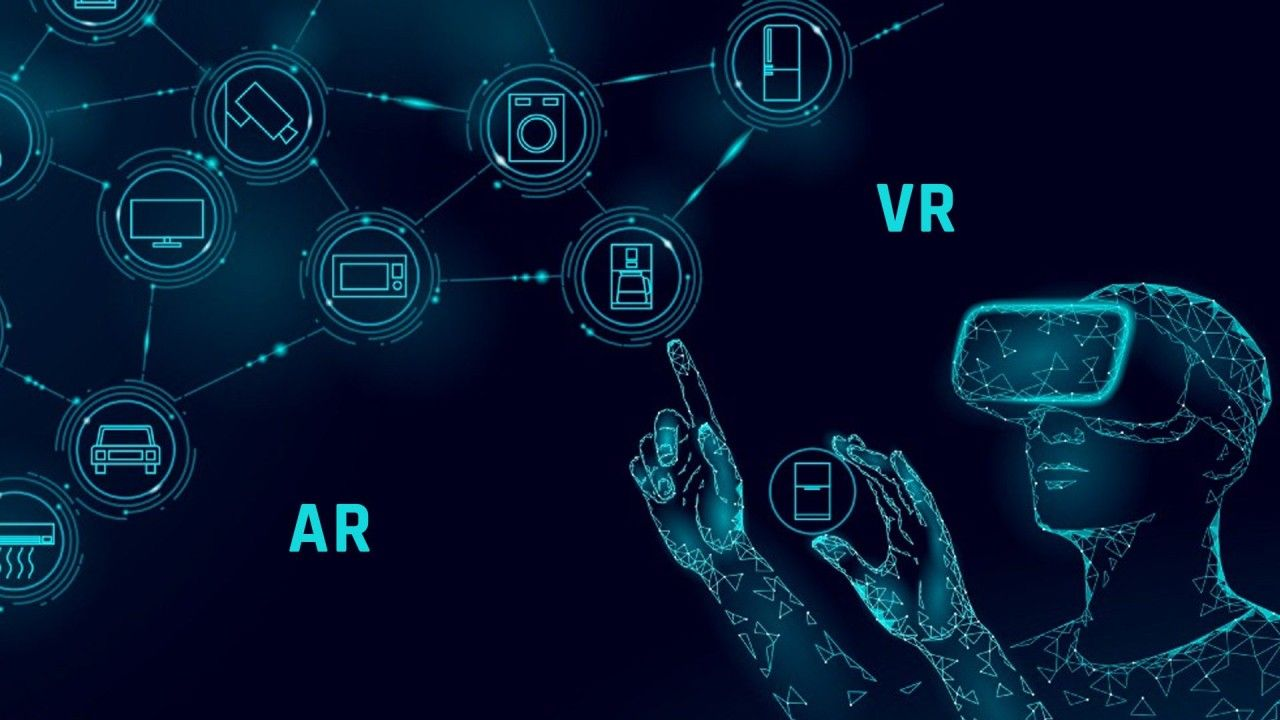
Social Interaction and Community-Driven Development
Gaming has become increasingly social. Features such as co-op modes, in-game communication, live streaming, and user-generated content are now core components of modern game design.
Community-driven development, where player insights directly influence updates and features, strengthens loyalty and builds sustainable gaming ecosystems.
Blockchain, Digital Assets, and Monetization Models
Digital Ownership and Decentralized Economies
Blockchain technology is emerging as a disruptive element within Game Development Trends, introducing secure digital ownership and decentralized in-game economies. Players can own, trade, and verify digital assets, increasing transparency and engagement.
While still evolving, blockchain-based systems are influencing how developers approach long-term player value and asset management.
Ethical and Sustainable Monetization
As regulatory scrutiny increases, developers are moving toward transparent and ethical monetization strategies. Cosmetic items, battle passes, and optional enhancements are replacing aggressive pay-to-win mechanics.
This shift reflects a broader industry commitment to fairness, player trust, and sustainable revenue models.
Agile Development and Scalable Production Pipelines
Agile Methodologies and Modular Design
Agile development practices have become essential in today’s fast-moving market. Modular systems allow teams to iterate rapidly, test features efficiently, and scale projects without disrupting core gameplay.
This flexibility is critical for adapting to changing Game Development Trends and evolving player expectations.

Global Collaboration and Outsourcing
Remote work and global collaboration are now standard practices. Studios increasingly partner with external teams for art, animation, quality assurance, and localization.
This approach enables access to global talent, reduces costs, and accelerates production timelines across projects of all sizes.
Conclusion
This year’s Game Development Trends highlight a clear shift toward advanced technologies, player-centric design, and scalable development strategies. From AI-driven tools and cloud gaming to ethical monetization and community engagement, the future of game development depends on innovation and adaptability. By staying aligned with these trends, SUNWIN INFORMATION TECHNOLOGY L.L.C continues to position itself as a forward-thinking technology partner, supporting the sustainable growth and evolution of the global gaming industry.